

Lead Extraction

Lead extraction is a complex procedure that requires extensive training, specialized equipment, and the expertise of a skilled cardiac electrophysiologist - expertise that's now available right here in our community.

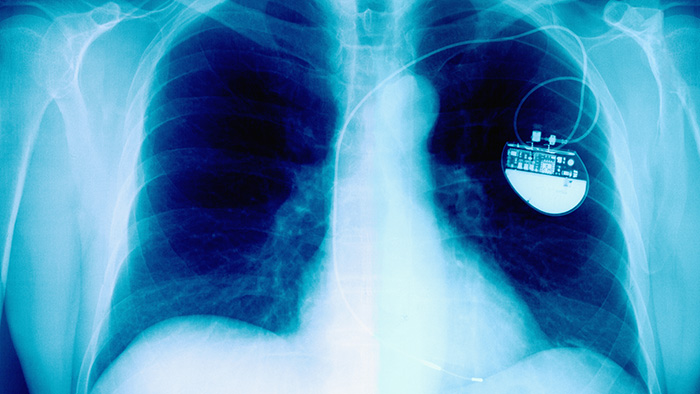
x-ray of chest with pacemaker x-ray of chest with pacemaker

What is Lead Extraction?


Lead extraction is a minimally invasive procedure to remove pacemaker or implantable cardioverter-defibrillator (ICD) leads from the heart. These leads are insulated wires that extend from your cardiac device through a vein to your heart, delivering electrical signals that help regulate your heartbeat.

While these leads are designed to remain in place permanently, there are important medical reasons why they sometimes need to be removed. 

Over time after implantation, the body naturally forms scar tissue around the leads, securing them to the blood vessels and heart tissue. This makes removal a delicate and complex procedure requiring specialized skills and equipment.

When is Lead Extraction Necessary?

The most common reason for lead extraction is infection of the pacemaker, ICD, or leads themselves.

When infection occurs, it's typically impossible to treat effectively without completely removing the infected device and all associated leads.

Leaving infected leads in place can lead to serious complications including blood infections and heart valve damage.

Leads can become damaged, fractured, or fail to function properly over time.

When a lead malfunctions, it may need to be removed, especially if there isn't room to place a new lead alongside the damaged one, or if the patient is younger and will likely need additional leads in the future.

Some patients require an upgrade from a pacemaker to an ICD, or need a more advanced device.

In these cases, older leads may need to be extracted to make room for new technology or to ensure optimal function of the upgraded system.

Occasionally, manufacturers recall certain lead models due to safety concerns, necessitating removal and replacement.
Multiple leads or scar tissue buildup can sometimes block the vein, preventing proper blood flow or making it impossible to place additional leads if needed in the future.
male patient talking with doctor

When to Discuss Lead Extraction

If you have a pacemaker or ICD and experience any of the following, contact your cardiologist or electrophysiologist:

  • Signs of infection such as fever, redness, swelling, warmth, or drainage at the device site
  • Device malfunction alerts or frequent shocks from your ICD
  • Notification that your leads have been recalled
  • Swelling in your arm or chest on the side of your device
  • New or worsening symptoms despite having your device

Your electrophysiologist will evaluate your specific situation, review the risks and benefits, and determine if lead extraction is the right choice for you.


Why Lead Extraction Requires Specialized Expertise


Lead extraction is one of the most technically demanding procedures in cardiac care. 

Unlike the initial lead implantation, extraction must navigate through and carefully separate scar tissue that has formed around the leads - sometimes after many years. 

This requires not only advanced technical skill but also specialized tools and equipment. 

Lead extraction is performed by cardiac electrophysiologists - physicians with the highest level of specialized training in heart rhythm disorders and cardiac device management.

Schedule a Consultation


If you have questions about lead extraction or need evaluation of your cardiac device, contact Prairie Cardiovascular to schedule a consultation with one of our cardiac electrophysiologists. 

Our team is here to provide expert guidance and compassionate care for all your cardiac rhythm management needs.