
« All Blog Posts

Let’s Talk Mammograms: Busting Common Myths

September 25, 2026

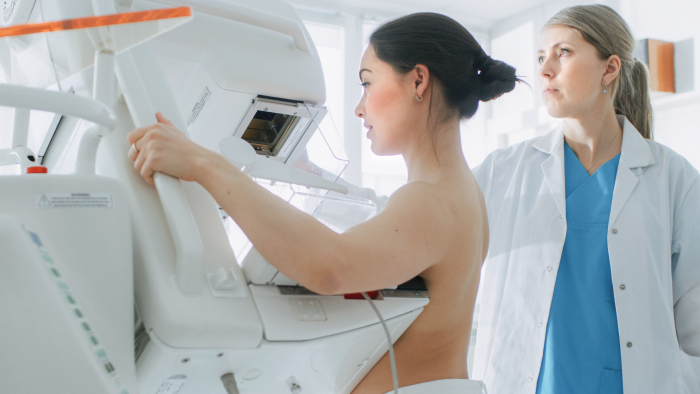
Woman receiving a mammogram with mammography tech in background

When it comes to mammograms, you’ve probably heard a lot of advice from friends, family members or social media. Some of it is accurate. Some of it isn’t.

Our mammography technologists talk with patients every day and hear many of the same myths and questions about breast cancer screenings. To help separate fact from fiction, mammogram technologist Megan Deomes has addressed some of the most common myths so you can feel informed, confident and supported when it’s time to schedule your mammogram.

Common Mammogram Myths

TRUTH: Regular screening mammograms are important because they can detect changes in your breast tissue before you are even aware there may be a concern.

When you regularly get mammograms, your radiologist (a doctor who specializes in reading medical images, like mammograms) can compare past images and look for small changes that might have occurred between screenings.

Finding these changes early can help detect breast cancer when it’s easier to treat.
TRUTH: A mammogram may feel uncomfortable for some women due to the compression of breast tissue, but the discomfort is brief and tolerable. Your mammography team will take steps to ensure you are as comfortable as possible during your exam.
TRUTH: Family history is only one part of your breast health story. Only about 10% to 15% of women diagnosed with breast cancer have a first-degree female relative (mother, sister or daughter) who’s also had it. While having a family history of the disease can increase your risk, not having one doesn’t mean you can’t develop breast cancer.

Talk with your doctor about when you should have a screening mammogram and how often to get one. Your screening schedule is based on your individual health history and risk level. Women at average risk for breast cancer should begin regular screenings at age 40 and continue to have one every year.
TRUTH: Getting called back after your mammogram is common and doesn’t mean you have breast cancer. Most often, it means more images are needed.

You could get called back because:
  • The pictures weren’t clear or didn’t show some of your breast tissue.
  • Your doctor wants to take another look at an area that appeared suspicious or different from other parts of the breast.
  • You have denser breast tissue.
  • This is your first mammogram and without previous versions to compare to, additional images may be needed.

Have Your Mammogram Screening Appointment Coming Up?

Mammography technician and patientHere are answers to some of the most common questions our teams receive from patients before their screening:

  • Q: What should I expect at my mammogram screening appointment?
    • A: A mammogram is an X-ray of your breast tissue. During a mammogram, a machine briefly compresses your breasts between two plates to take images of your breast tissue. The compression is important because it allows the breast tissue to spread and flatten, ensuring a clear view.
  • Q: How long does a mammogram take?
    • A: Each breast will be compressed for only 20 to 30 seconds for each image. Women with an average risk of breast cancer usually need two images per breast. You should plan for a screening mammogram appointment to take about 30 to 45 minutes.
  • Q: What should I wear to my appointment?
    • A: Do not wear deodorant, lotion, powder or perfume under your arms or on your breasts. These products can show up on images and may interfere with interpretation.
Author
  • Hospital Sisters Health System Logo
    Hospital Sisters Health System

    Hospital Sisters Health System (HSHS) is a health system in Illinois and Wisconsin working alongside you, your family and communities to support healthier lives.