« All Blog Posts

Safe Sleep for Babies: Answers to Parents' Top Questions

October 22, 2026

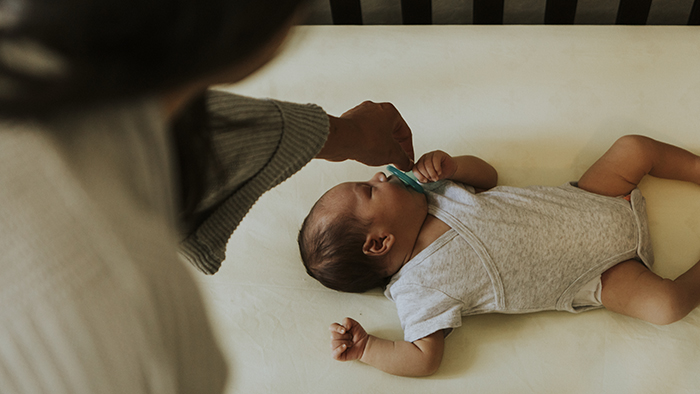
mother putting baby to sleep

Bringing your baby home for the first time is exciting, but it’s natural to feel a little nervous, too, especially at night. Knowing how to create a safe place for your baby to sleep can help you feel more confident.

Safe sleep practices lower the risk of sleep-related infant death, one type of sudden unexpected infant death (SUID). SUID describes any sudden, unexpected death of a baby younger than 1 year and includes sudden infant death syndrome (SIDS).


“When we follow safe sleep recommendations, we are protecting a baby’s breathing space during sleep and reducing the risk of suffocation," says Dr. Eunice Torres, a newborn specialist, called a neonatologist. "Every baby is safest sleeping on their back, in their own empty crib or bassinet, free from objects that could obstruct their breathing, every time for every sleep.”


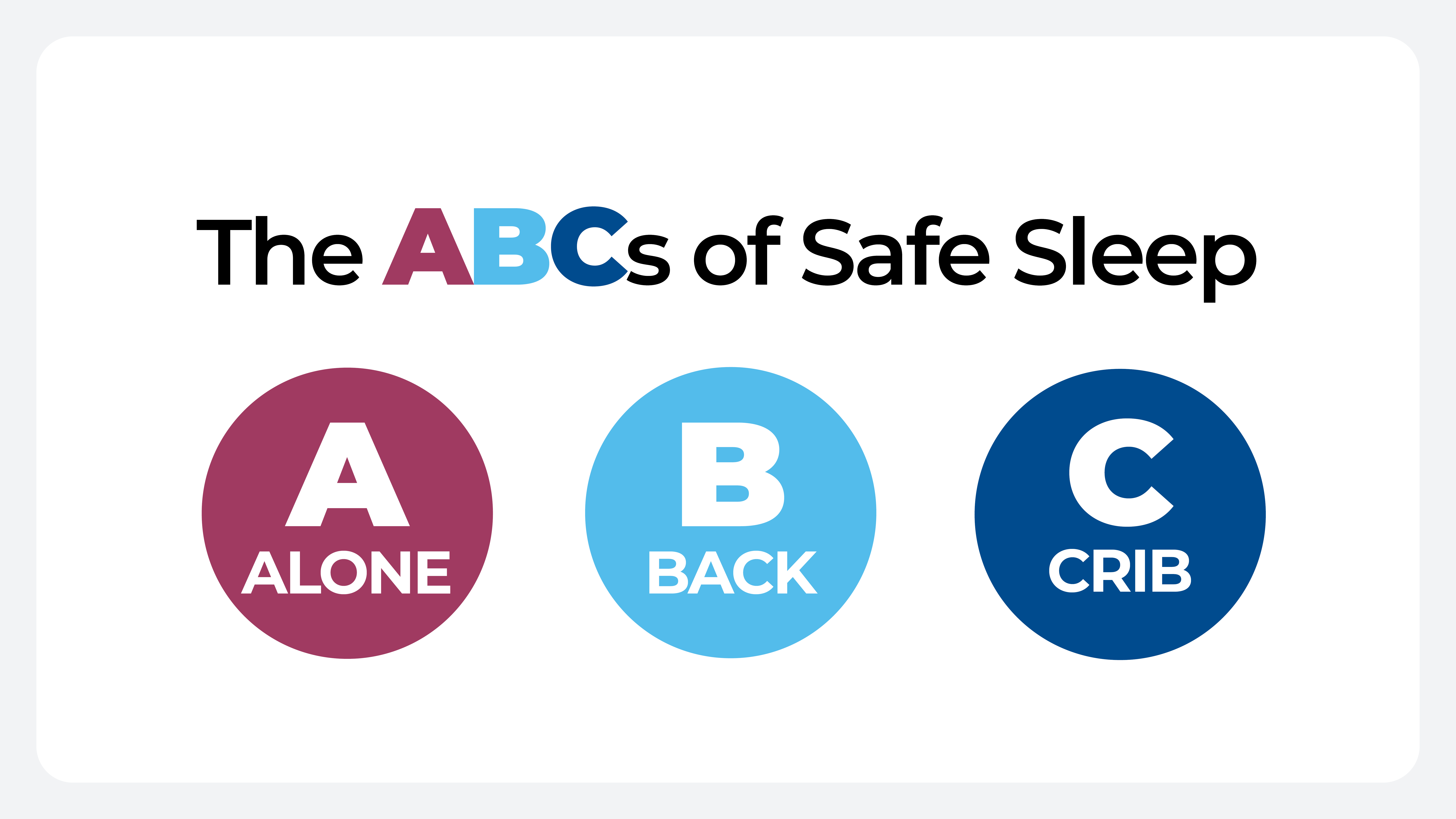
The ABCs of safe sleep: Alone, Back, Crib.

What is Safe Sleep? Start with the ABCs

Safe sleep comes down to three letters:

  • A is for Alone. Your baby sleeps in their own space. No pillows, blankets, stuffed animals or crib bumpers. Nothing in the crib except your baby.
  • B is for Back. Always lay your baby on their back, for naps and overnight. Babies with a condition that causes stomach contents to flow back up, called reflux, are still safest on their backs.
  • C is for Crib. Use a crib, bassinet or approved portable play yard with a firm, flat mattress and a fitted sheet.
Many parents ask this question. Adult beds are soft, and they have pillows, blankets and gaps where a baby can get trapped. Couches and recliners are even riskier.
 
Share your room, not your bed. Keep your baby's crib or bassinet next to where you sleep for at least the first six months. You will likely be close enough to hear them, and they will still have their own safe space.
 
If you feed your baby in bed, put them back in their crib before you fall asleep. If you feel 
drowsy, set an alarm.
Yes, for the first couple of months. A snug swaddle can calm your baby's startle reflex, a normal response that can make babies jerk or fling out their arms. Keep the hips loose, leave the head uncovered and always place a swaddled baby on their back.
 
Stop swaddling as soon as your baby shows any sign of rolling over, often around 2 to 4 months. A baby who rolls while swaddled can't push themselves back up.
Once your baby can roll both ways on their own, let them find their own position. Still start every sleep on their back, in an empty crib.
Not for regular sleep. Swings, loungers and car seats hold babies at an angle that can let the chin drop and block the airway. Move your baby to their crib.
  • Use a wearable blanket, called a sleep sack, instead of a loose blanket.
  • Don't let your baby get too warm: light sleep clothes, no hat, comfortable room.
  • Offer a pacifier at sleep time (wait two to four weeks if you're breastfeeding).
  • Keep your baby away from smoke.
  • Give supervised tummy time while your baby is awake.

Harrison's Story

Becca Summers knows how fast everything can change. Her son Harrison was 3 months old when he was found unresponsive at his daycare. He died of SUID.

Becca shares Harrison's story to raise awareness of safe sleep.

Her story points to something many parents don't think about. According to a 2022 study from the American Academy of Pediatrics, nearly 1 in 5 sudden unexpected infant deaths happen while someone other than a parent is caring for the baby. Grandparents, babysitters and daycare staff all need the same safe sleep instructions you follow. 

Ask each person who cares for your baby how they place your baby to sleep. Safe sleep only works when everyone does it.

Safe Sleep Support & Resources


We follow the American Academy of Pediatrics' safe sleep guidelines in our neonatal intensive care units (NICU) and nurseries whenever it's medically possible. 

If you need a safe place for your baby to sleep, or you have questions, ask your nurse or provider. We'll help you find support. National resources and education are also available:

  • AAP Safe Sleep: The American Academy of Pediatrics’ official recommendations on safe sleep practices to reduce the risk of sleep-related infant deaths.
  • How to Keep Your Sleeping Baby Safe: AAP Policy Explained- A comprehensive guide with expert advice on safe sleep practices for babies. 
  • Charlie’s Kids Foundation: Promotes safe sleep practices through education, awareness and community outreach to reduce the risk of sleep-related infant deaths.
  • Illinois Safe Sleep Support: A program for families in Illinois through the Illinois Department of Human Services to learn about the safest ways for their babies to sleep, get answers to their sleep safety questions and get access to items they need to keep their babies safe.  
  • SIDS Illinois: Offers support, education and advocacy to reduce the risk of sudden infant death syndrome and promote safe sleep practices. It provides resources for families, healthcare providers and caregivers to ensure a safe sleep environment for infants.

If you need additional community-based services, such as housing, food assistance, financial or other support, visit HSHS Community Connect to search for free or reduced-cost programs.

Categories: Kids & Family
Author
  • Hospital Sisters Health System Logo
    Hospital Sisters Health System

    Hospital Sisters Health System (HSHS) is a health system in Illinois and Wisconsin working alongside you, your family and communities to support healthier lives.