
What Parents Should Know About Common Overuse Injuries
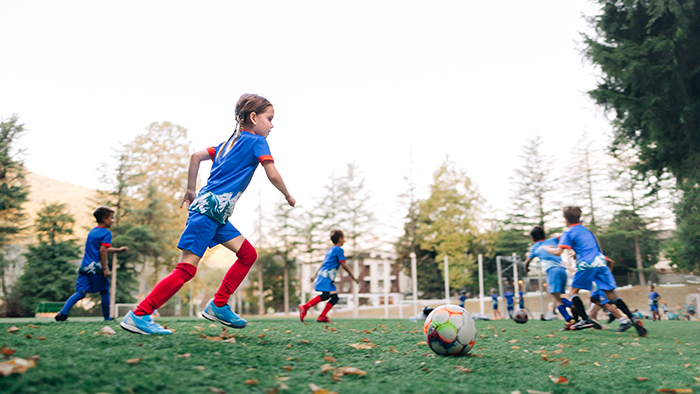
Summer is a season for movement. Whether your kids are inspired to try soccer after watching the World Cup, want to swing a baseball bat like Jordan Walker or are simply spending more time outside, children are on the move and active!
While regular physical activity is great for children and help them build strength, confidence and healthy habits, growing bodies are also more susceptible to certain injuries. Unlike adults, children's bones, muscles and tendons are still developing, making them especially vulnerable to overuse injuries caused by repetitive movement.
“Summer is a great time for kids to stay active, but it's also when we see an increase in overuse injuries," says Dr. Tracy Painter, orthopedic surgeon with HSHS Medical Group. "Many of these conditions develop gradually, so recognizing the early signs can help prevent a minor issue from becoming a more serious injury.”
Why Growing Bodies Are Different
Children aren't simply small adults. Their bones contain growth plates, areas of developing cartilage near the ends of long bones that are softer and more vulnerable than mature bone.
During growth spurts, bones can lengthen faster than muscles and tendons can adapt. This can create tightness, increased stress on tendons and irritation where tendons attach to bone, particularly when young athletes participate in repetitive sports or increase activity too quickly.
"The combination of rapid growth and repetitive activity is what often leads to these injuries,"Robert Whitman, DMSc, PA-C, an orthopedic specialist with HSHS. "The good news is that most can be treated successfully with catching it early, rest and a gradual return to activity."
Common Summer Sports Injuries in Children
Osgood-Schlatter Disease
Osgood-Schlatter disease is one of the most common causes of knee pain in active children and teens. It develops when repetitive running and jumping place stress on the tendon below the kneecap, irritating the growth plate at the top of the shinbone. It is most often seen in children ages 10 to 15 during periods of rapid growth.
Symptoms may include:
- Pain just below the kneecap
- Swelling or tenderness over the shinbone
- Pain that worsens during activity and improves with rest
- A noticeable bump below the knee over time
Treatment usually includes activity modification, stretching exercises, ice and anti-inflammatory medications when appropriate.
Sever's Disease (Heel Pain)
Sever's disease is a common overuse injury that affects the growth plate in the heel. It typically occurs during growth spurts in children who participate in sports that involve frequent running and jumping, such as soccer, basketball and football.
Parents may notice:
- Heel pain during or after activity
- Limping
- Pain when squeezing the sides of the heel
- Difficulty participating in sports
“Sever’s disease is very common in active kids ages 8-14, especially during growth spurts," Whitman said. “It's not dangerous but it's painful, and it responds well to rest, stretching and supportive shoes.”
Shin Splints
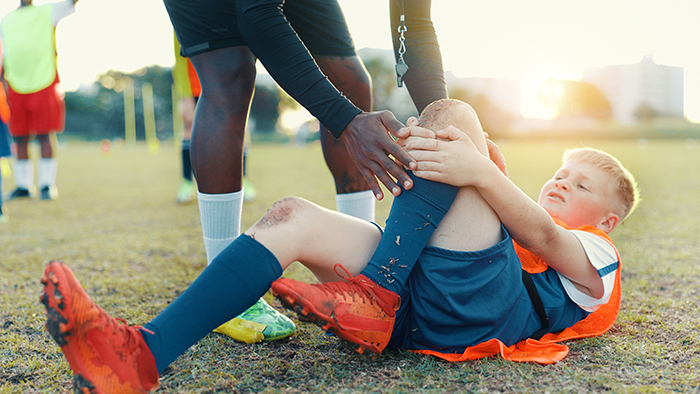 Shin splints cause pain along the inside edge of the shinbone and commonly develop when activity levels increase quickly.
They may occur after:
- Starting a new sport
- Attending multiple sports camps
- Running on harder surfaces
- Wearing worn-out athletic shoes
Without proper treatment, shin splints can sometimes progress to stress injuries, making early evaluation important if pain persists.
Growing Pains
Growing pains typically occur in younger children and are often confused with sports injuries.
Unlike overuse injuries, growing pains usually:
- Occur in both legs
- Are felt in the thighs, calves or behind the knees
- Happen in the evening or at night
- Are gone by morning
- Do not cause swelling or limping
"If a child is limping, has swelling or experiences pain in only one specific area, it's worth having them evaluated," Dr. Painter said. "Those symptoms are less consistent with growing pains and may point to an injury."
When is it More Than "Just Sore?"
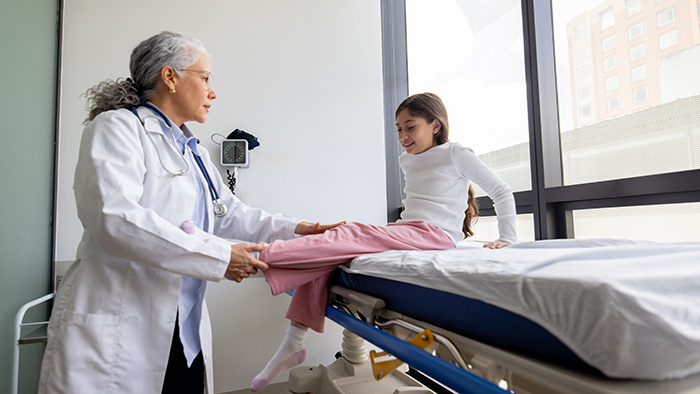 Some soreness after activity is normal, especially after trying a new sport or increasing activity. However, pain should never be ignored if it continues or interferes with normal movement.
Parents should seek medical evaluation if their child has:
- Pain lasting more than a few days
- Pain that causes limping
- Swelling or significant tenderness
- Pain that wakes them at night
- Pain in one specific spot rather than generalized soreness
- Difficulty returning to normal activities
Early evaluation can often prevent a minor injury from becoming a longer recovery.
Helping Prevent Overuse Injuries
While not every injury can be prevented, healthy habits go a long way toward reducing risk.
Parents can help by encouraging children to:
- Warm up before practices and games.
- Stretch after activity, especially the calves, hamstrings and quadriceps.
- Increase activity gradually instead of jumping into multiple hours of sports each day.
- Wear properly fitted athletic shoes designed for their sport.
- Stay hydrated, particularly during hot weather.
- Take at least one or two rest days each week.
- Avoid playing the same sport year-round without breaks.
Experts also encourage young athletes to participate in a variety of sports instead of specializing too early, giving different muscle groups time to recover.
The Bottom Line: Don't Ignore Pain
One of the biggest misconceptions in youth sports is that children should simply "play through the pain."
Pain is the body's way of signaling that something needs attention.
"We want kids to stay active because movement is important for their physical and emotional health," Dr. Painter said. "But continuing to play through pain can turn a small problem into a larger one that requires a much longer recovery."