The Race to Contain Ebola and How Mission Outreach Can Help
May 20, 2026
Wednesday, May 20, 2026
This week I am in Geneva with Bruce Compton, senior director of global health at the Catholic Health Association. Bruce invited me to represent Hospital Sisters Mission Outreach at several events of the World Health Organization (WHO) assembly this year. Convening global health leaders from all corners of the world, Geneva is the hub of international collaboration focused on the safety and wellbeing of all people.
As you can imagine, there is a lot to talk this week when it comes to global health – but the topic of conversation and at the forefront of everyone’s mind right now is the Ebola outbreak in the Democratic Republic of Congo (DR Congo) and Uganda.
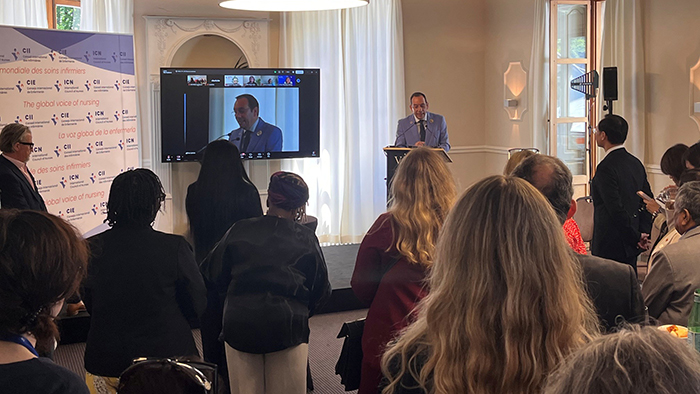
I was at a meeting of the International Council of Nurses and their president, Dr. Jose Luis Cobos Serrano, made this powerful statement: “There is no global health security if we do not protect those on the front line.” Dr. Serrano was referring to keeping our nurses and clinicians fully stocked with the medical supplies – especially PPE – they need to deliver safe patient care.
A powerful realization I have had while listening to global health experts over the last few days is this: Mission Outreach’s work has the power to save lives when outbreaks of infectious disease, like Ebola, strike populations in vulnerable parts of the globe. I’ll explain why in just a minute.
In what I am sure was not at all a coincidence, I received an email just yesterday from back home at Mission Outreach. We had just shipped a 40’ container of requested medical supplies and equipment to a hospital in the DR Congo. While this shipment was planned months ago, knowing that it is headed to a place so much in need of these resources is astounding. The photo is of the shipment just before it was loaded and left our dock.
Therefore, in solidarity with our colleagues in the DR Congo and Uganda, I thought I would write about what I’ve learned about Ebola, the strength of the global medical community, and how best we at Mission Outreach can help in times of crisis.
Quick summary about this Ebola outbreak:
- While Bundibugyo virus disease (BVD) is a form of the Ebola virus. BVD is NOT airborne; it is spread by coming into close contact, most commonly bodily fluids. Healthcare providers are particularly susceptible, and an accelerant to the virus’s spread is improper body preparation and/or inadequate burial practices.
- Ebola is very dangerous. The past two outbreaks of Bundibugyo have had a 30-50% case fatality rate. This outbreak is causing concern for the WHO about the “scale and speed of the epidemic.”
- For complete, reliable information about the recent outbreak of BVD, you can find more information directly from the WHO.
We must invest in vaccines and treatments for Ebola strains:
- Prevention and early detection/reporting to contain outbreaks are the best tools to fight Ebola; but barriers remain for both these lifesaving actions.
- The first action we must all support is the development of vaccines and treatment therapies. Investing funds to develop specific, effective vaccines and treatment options is the best way to prevent outbreaks and stop their spread. The international community should commit to research and development for the good of all people – because as COVID-19 and other outbreaks have taught us, viruses know no borders. What is happening in one part of our world affects us all.
- In solidarity and as an advocate for our neighbors everywhere, we at Mission Outreach must speak out for equitable resources devoted to preventing and treating infectious diseases that are most common in low-resource areas.
What we can (and must) do at Mission Outreach with your help:
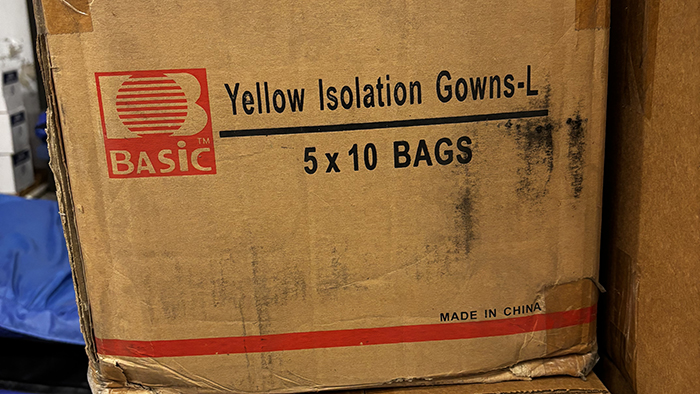 Shipping items after an outbreak has started is often too late. Clinicians must have the supplies they need before the crisis starts to react swiftly and safely when their patients, community and selves are in danger. Mission Outreach must be proactive, especially with hospitals and clinics in the poorest areas globally, to ensure all people have access to primary care that is appropriately staffed, supplied and equipped.
- One particularly alarming aspect of this outbreak, according to conversations this week in Geneva, is how fast healthcare workers were exposed and began getting sick (and dying). Funeral directors are another group that must have adequate education about sanitary measures and the supplies to safely prepare and bury bodies. Mission Outreach helps meet this need for key medical supplies and PPE through the work we’re already doing, and we must be willing to do more.
Primary care facilities – whether a hospital or a clinic – that are stocked with supplies and has basic medical equipment, are a defining attribute that can protect healthcare workers, prevent the spread of infectious diseases, and save lives. That’s why Mission Outreach exists, and why today’s shipment to the DR Congo is so important.
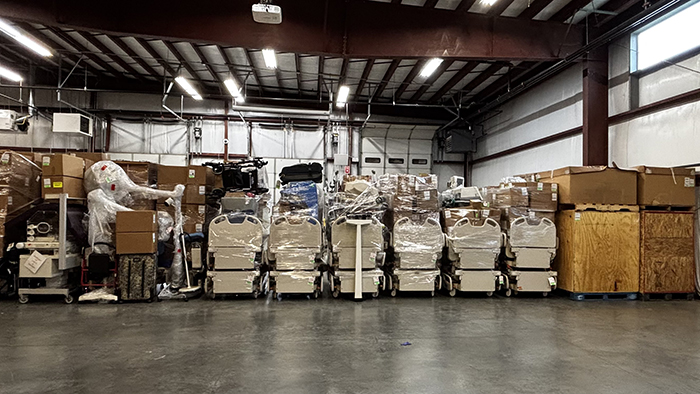
Since 2024, Mission Outreach has worked to do both 40’ container and hand-carry shipments of medical supplies and equipment to hospitals in the DR Congo, Uganda, and other countries in the region. When past Ebola outbreaks occurred, we’ve worked with established, in-country partners to provide supplies needed to support doctors, nurses and healthcare workers treating patients at ground zero of the epidemic.
As we pray for all people affected by this outbreak in the DC Congo and Uganda – both those infected and those caring for them – we must remain committed to our mission of getting medical supplies where they’re needed, when they’re needed.