

Anesthesia Services

What to expect before, during and after your surgery. At HSHS St. Elizabeth’s, we want you to have peace of mind for your upcoming procedure. Here you will find a walkthrough of anesthesia options and common questions, so you know what to expect before you come in.

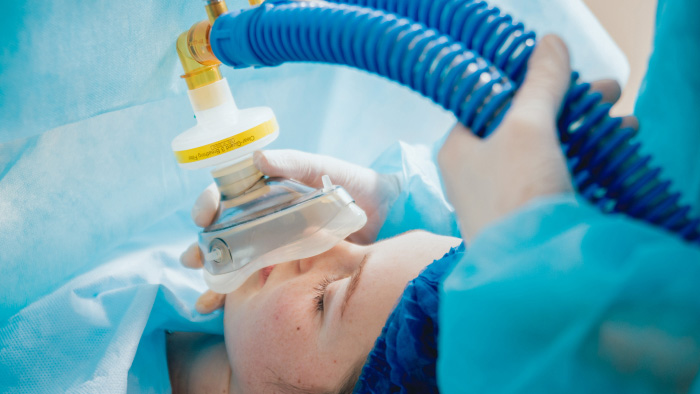
patient receiving anesthesia patient receiving anesthesia

Feeling nervous about anesthesia is completely normal. At HSHS St. Elizabeth’s, our anesthesia care team is focused on keeping you safe, comfortable and informed every step of the way.

Your care team includes board-certified anesthesiologists and certified registered nurse anesthetists (CRNAs) who specialize in managing anesthesia across a wide range of surgical and procedural settings — from the operating room to the delivery room.

doctor talking with patient

Before Your Procedure

Before any planned procedure, your anesthesiologist will meet with you to review your health history and talk through your options. Together, you’ll develop a plan that’s right for your specific procedure and your individual needs.

Your anesthesia plan is based on three priorities:

  • Your safety
  • A smooth and comfortable recovery
  • Getting you home as soon as it’s safe to do so

Types of Anesthesia

With general anesthesia, you will be fully asleep and won’t feel, hear or remember anything during your procedure. It is commonly used for longer or more complex surgeries that require complete unconsciousness.
Regional anesthesia numbs a larger area of your body — such as your spine, an arm or a leg — while you remain awake or lightly sedated. Common types include spinal anesthesia, epidural anesthesia and nerve blocks.

Regional anesthesia is also frequently used to help manage pain after surgery, which can reduce the need for opioid pain medications during recovery.
With monitored anesthesia care, your surgeon applies a local anesthetic directly to the area being treated, while your anesthesiologist gives you intravenous medication to keep you comfortable and relaxed. You may be drowsy but remain conscious throughout.
Local anesthesia numbs a small, specific area of your body. It is typically used for minor procedures and is administered directly by your surgeon.

What to Expect After Your Procedure


How you feel after anesthesia will depend on the type used and the length of your procedure. Most patients experience some drowsiness, mild disorientation or nausea immediately after, which typically resolves within a few hours.

Your care team will monitor you closely during recovery and make sure you’re ready and safe before you go home. You’ll receive instructions on what to watch for and who to call if you have questions or concerns after your procedure.

Have Questions About Your Anesthesia?


Talk to your surgeon or care team before your procedure; they’re here to help you feel informed and at ease. 

You can also contact HSHS St. Elizabeth’s Hospital with any questions.