
Lee's Story
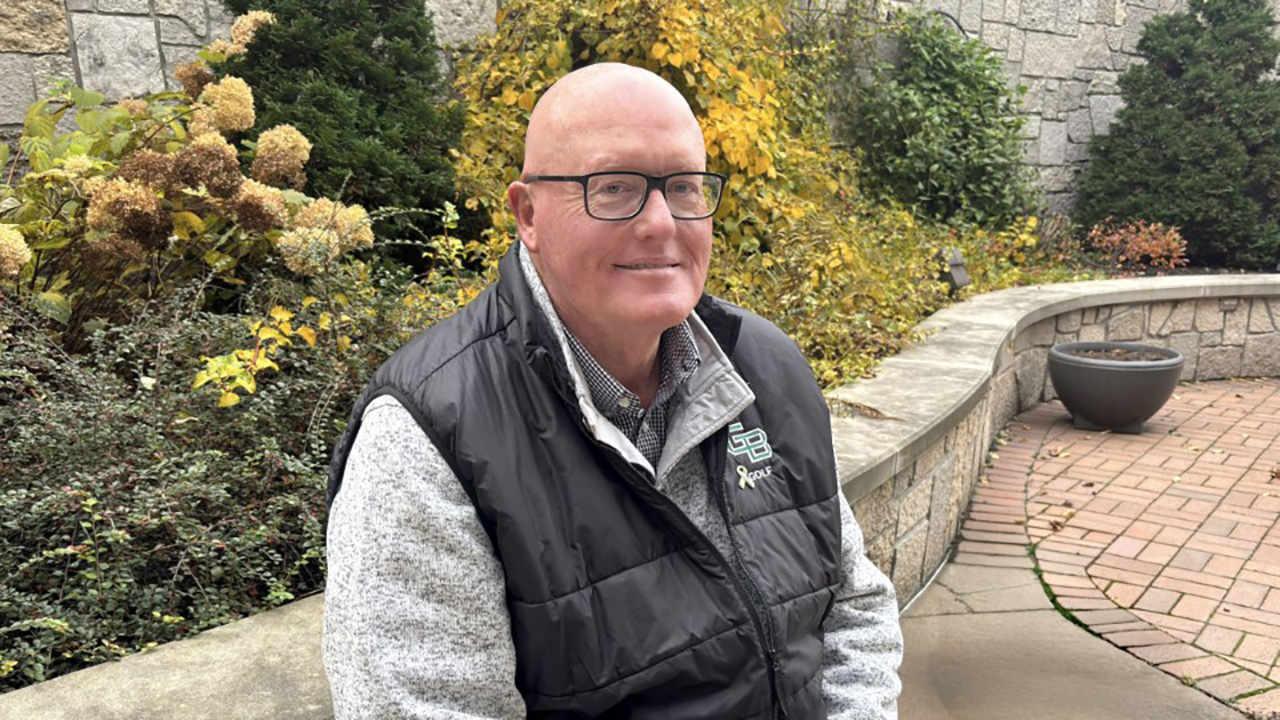
Lee never expected that a long drive for work would be the beginning of a life-altering chapter.
The Brillion native started noticing pain deep in his right hip, which worsened during long hours behind the wheel as he traveled across the Midwest for his job coaching college golf. At first, it felt like a muscle problem. Then, it became impossible to ignore.
“It hurt to sit, stand, lay. Everything,” Lee said. “It just kept getting worse.”
What followed was months of tests, scans and inconclusive biopsies of his sternum, femur and lung at a health system in Milwaukee. Doctors identified prostate cancer but continued to search for answers while Lee lived with escalating pain.
“I kept telling them, ‘It’s right here. I’m telling you, it’s right here,’” he recalled, gesturing to his right hip.
Eventually, deeper testing revealed the true source of his pain: large B-cell non-Hodgkin lymphoma, in addition to his prostate cancer. When Lee, a father of three grown children, heard his lymphoma was stage four, his thoughts immediately went to his family.
“Not to be morbid, but I thought it was probably over,” he said. “I was thinking, ‘No grandkids, dang.’ I felt bad for my wife. I didn’t want my mom to have to go through losing her son.”
“If you’re going to be bitter and angry, you have to be bitter and angry every day,” he said. “That’s a lot of energy. I decided to stay positive.”
After several months of chemotherapy treatment in Milwaukee, Lee’s doctor told him he didn’t believe the chemotherapy was working and suggested a stem cell transplant.
“He kind of threw it at me and didn’t really explain what it was,” Lee said.
When that doctor left to take another job, Lee and his wife Beth made a pivotal decision to seek care closer to home. That decision led him to HSHS St. Vincent Hospital Cancer Centers in Green Bay, where his care was overseen by Brian Burnette, MD.
“From the first conversation, I felt confident,” Lee said. “I told them, ‘Don’t sugarcoat anything. Just tell me the truth.’ And that’s exactly what they did.”
CAR T-cell therapy is a type of immunotherapy that genetically modifies a patient’s own T-cells into more effective cancer-fighting cells. Doctors collect the T-cells and send them to a specialty lab, where chimeric antigen receptors (CARs) are added. The cells are then multiplied into millions and returned to the patient through an infusion so they can attack cancer cells.
It was what Lee’s original doctor had suggested—but this time, Lee felt confident agreeing to try the complex and intense treatment because his care team took the time to explain every step.
“They told us, as crazy as this sounds, ‘You’re going to want to get sick. The sicker you get, the better it’s working,’” Lee said. “And because of that, when things got scary, my wife didn’t panic. She knew what was happening.”
A few days after receiving the CAR T-cells, Lee experienced severe neurotoxicity and lost days of memory. His condition became critical.
“There were people watching me 24/7,” Lee said. “They never gave up on me.”
The treatment had pushed his body to the edge, but it had also done its job. Lee and Beth stayed in Milwaukee for monitoring, and Lee slowly regained the ability to stand, shower and walk. About one month later, they finally returned home.
His right calf had been bothering him. It wasn’t swollen, but any touch was excruciating. Lee mentioned it to Megan Leon, PA-C, who immediately ordered an ultrasound to check for a blood clot.
Lee collapsed in the elevator on the way to the ultrasound and woke up in the emergency room.
“The doctor was right next to my head, yelling my name as I came to,” Lee recalled. “He asked me if there was anyone they should call because this was a life-or-death situation.”
Doctors later told Lee he had the worst double pulmonary embolism they had ever seen.
“If I hadn’t said something to Megan, I might not be here,” Lee said, knowing he very well could have been driving home instead of heading to an ultrasound when he collapsed. “The care I got in that moment saved my life.”
“It’s definitely an unpleasant experience, no doubt about it,” Lee said. “But just because you have cancer doesn’t mean you’re defeated.”
Lee credits his strength to faith, family and the people who walked beside him through every step.
“God was my strength. Beth was my rock,” he said. “And my care team gave me hope. That’s really all you can ask for.”
Now, Lee carries a message he hopes others will hear.
“If through my positivity and experience I can help just one person get through their battle, then it was worth it,” he said, holding back tears.
And when asked how he sums it all up, he doesn’t hesitate to borrow his golf team’s mantra.
“Find a way,” Lee said. “Just keep moving forward.”
The Brillion native started noticing pain deep in his right hip, which worsened during long hours behind the wheel as he traveled across the Midwest for his job coaching college golf. At first, it felt like a muscle problem. Then, it became impossible to ignore.
“It hurt to sit, stand, lay. Everything,” Lee said. “It just kept getting worse.”
What followed was months of tests, scans and inconclusive biopsies of his sternum, femur and lung at a health system in Milwaukee. Doctors identified prostate cancer but continued to search for answers while Lee lived with escalating pain.
“I kept telling them, ‘It’s right here. I’m telling you, it’s right here,’” he recalled, gesturing to his right hip.
Eventually, deeper testing revealed the true source of his pain: large B-cell non-Hodgkin lymphoma, in addition to his prostate cancer. When Lee, a father of three grown children, heard his lymphoma was stage four, his thoughts immediately went to his family.
“Not to be morbid, but I thought it was probably over,” he said. “I was thinking, ‘No grandkids, dang.’ I felt bad for my wife. I didn’t want my mom to have to go through losing her son.”
Choosing Positivity After a Lymphoma Diagnosis
Despite the fear, Lee made a conscious choice about how he would face what came next.“If you’re going to be bitter and angry, you have to be bitter and angry every day,” he said. “That’s a lot of energy. I decided to stay positive.”
After several months of chemotherapy treatment in Milwaukee, Lee’s doctor told him he didn’t believe the chemotherapy was working and suggested a stem cell transplant.
“He kind of threw it at me and didn’t really explain what it was,” Lee said.
When that doctor left to take another job, Lee and his wife Beth made a pivotal decision to seek care closer to home. That decision led him to HSHS St. Vincent Hospital Cancer Centers in Green Bay, where his care was overseen by Brian Burnette, MD.
“From the first conversation, I felt confident,” Lee said. “I told them, ‘Don’t sugarcoat anything. Just tell me the truth.’ And that’s exactly what they did.”
When Chemotherapy Wasn’t Enough
After two chemotherapy treatments in Green Bay, Dr. Burnette knew the chemotherapy wasn’t working. He discussed CAR T-cell therapy with Lee—a highly specialized treatment that would need to be done in Milwaukee.CAR T-cell therapy is a type of immunotherapy that genetically modifies a patient’s own T-cells into more effective cancer-fighting cells. Doctors collect the T-cells and send them to a specialty lab, where chimeric antigen receptors (CARs) are added. The cells are then multiplied into millions and returned to the patient through an infusion so they can attack cancer cells.
It was what Lee’s original doctor had suggested—but this time, Lee felt confident agreeing to try the complex and intense treatment because his care team took the time to explain every step.
“They told us, as crazy as this sounds, ‘You’re going to want to get sick. The sicker you get, the better it’s working,’” Lee said. “And because of that, when things got scary, my wife didn’t panic. She knew what was happening.”
Pushed to the Edge…and Pulled Back
Things did get scary.A few days after receiving the CAR T-cells, Lee experienced severe neurotoxicity and lost days of memory. His condition became critical.
“There were people watching me 24/7,” Lee said. “They never gave up on me.”
The treatment had pushed his body to the edge, but it had also done its job. Lee and Beth stayed in Milwaukee for monitoring, and Lee slowly regained the ability to stand, shower and walk. About one month later, they finally returned home.
A Medical Emergency Close to Home
Just two days later, while back at HSHS St. Vincent Hospital for follow-up bloodwork, another emergency nearly ended Lee’s life.His right calf had been bothering him. It wasn’t swollen, but any touch was excruciating. Lee mentioned it to Megan Leon, PA-C, who immediately ordered an ultrasound to check for a blood clot.
Lee collapsed in the elevator on the way to the ultrasound and woke up in the emergency room.
“The doctor was right next to my head, yelling my name as I came to,” Lee recalled. “He asked me if there was anyone they should call because this was a life-or-death situation.”
Doctors later told Lee he had the worst double pulmonary embolism they had ever seen.
“If I hadn’t said something to Megan, I might not be here,” Lee said, knowing he very well could have been driving home instead of heading to an ultrasound when he collapsed. “The care I got in that moment saved my life.”
Life After Lymphoma
Today, Lee’s scans show no evidence of active cancer, and he’s eagerly looking forward to becoming a grandfather. While he knows he’ll never be the same physically, his outlook is stronger than ever.“It’s definitely an unpleasant experience, no doubt about it,” Lee said. “But just because you have cancer doesn’t mean you’re defeated.”
Lee credits his strength to faith, family and the people who walked beside him through every step.
“God was my strength. Beth was my rock,” he said. “And my care team gave me hope. That’s really all you can ask for.”
Now, Lee carries a message he hopes others will hear.
“If through my positivity and experience I can help just one person get through their battle, then it was worth it,” he said, holding back tears.
And when asked how he sums it all up, he doesn’t hesitate to borrow his golf team’s mantra.
“Find a way,” Lee said. “Just keep moving forward.”