
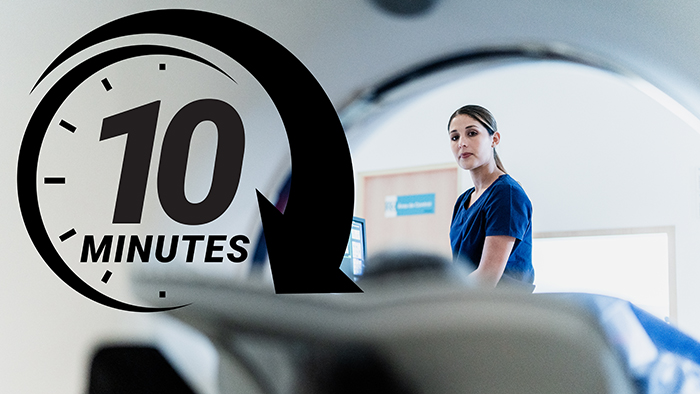
Ten minutes. That's about how long a mammogram takes. Less time than your coffee order, the school pickup line or the drive home.
It's an easy thing to put off. There's always something more urgent. But those 10 minutes can catch breast or lung cancer long before you'd notice a lump or a cough, when treatment works best.
Here's what you need to know about when to get screened and why it's worth the time.
Dr. Jacob Witt, a radiation oncologist says, “Don't wait several months or a year to go to a doctor to see what’s going on if you have any symptoms. Treatments are advanced and can give many options, especially when addressed at early stages of the disease.”
Quick Reference: Cancer Screening Guidelines
| Screening Type | Who Should Be Screened | How Often |
| Mammogram | Women 40-49 | Talk to your doctor about when to start |
| Mammogram | Women 50-74 | Every 1-2 years |
| Mammogram | High-risk individuals (family history, genetic factors) | May need earlier or more frequent screening |
| Low-Dose CT Scan (Lung) | Adults 50-80 who currently smoke or have a 20+ pack-year history | Annually |
Talking to your provider about breast cancer screening and lung cancer screening could be one of the most important things you do for your health.
Why Are Breast & Lung Cancer Screenings Important?
"Breast cancer is the most common cancer in women in the United States. It is also the second leading cause of cancer death in women, according to the American Cancer Society (ACS)," says Dr. Emily Dahm, family medicine physician. "Lung cancer is the second most common cancer in women, but it causes the most cancer deaths."
The good news is that both cancers respond better to treatment when caught early.
Breast Cancer Symptoms, Risk Factors & Screening
"Breast cancer happens when cells in the breast grow in a way they should not. Women mostly get breast cancer, but men can get it too. Age, family history, certain genes and lifestyle factors can increase your breast cancer risk," says Dr. Dahm.
Why Get a Screening Mammogram?
Mammography can detect breast cancer before you feel a lump or notice any breast cancer symptoms. When breast cancer is caught early through routine screening, treatment is much more effective.
The breast cancer survival rate for early-stage detection is over 90%, according to the World Health Organization.
When Should You Get a Mammogram?
- Ages 40–49: Talk to your doctor about when to start breast cancer screening based on your individual risk factors.
- Ages 50–74: Most screening guidelines recommend a mammogram every one to two years.
- High-risk individuals: If you have a family history of breast cancer or genetic risk factors, you may need to begin screening earlier or schedule mammograms more frequently.
Lung Cancer Risk Factors, Symptoms & Screening
Lung cancer is often caused by smoking, but non-smokers can develop lung cancer too. Lung cancer risk factors include secondhand smoke exposure, environmental factors and family history.
Lung cancer is particularly serious because most people don't notice lung cancer symptoms until the disease has reached an advanced stage.
Why Get a Lung Cancer Screening?
Most lung cancer symptoms don't appear until the cancer has progressed. A low-dose CT scan (LDCT) can detect lung cancer early, when treatment is most effective.
The National Lung Screening Trial found that annual lung cancer screening with low-dose CT reduces lung cancer deaths by 20% in high-risk individuals.
You should talk to your doctor about lung cancer screening if you meet these criteria:
- You are 50–80 years old, AND
- You are a current smoker or have a smoking history of at least 20 pack-years (one pack a day for 20 years or two packs a day for 10 years)
Schedule an appointment now with your primary care provider through our patient portal to discuss your lung cancer risks and screening options. Once you have a referral, you can call HSHS central scheduling at 217-757-6565 to make an appointment at a convenient HSHS location.
Ready to Take the Next Step?
Schedule time to discuss your cancer risk factors and screening options with your healthcare provider. It only takes about 10 minutes to have this important preventive health conversation.