
ATTENTION Seasonal Visitor Guidelines Now in Effect View Guidelines

PET/CT Scans

Advanced diagnostic imaging technology that combines metabolic activity of the body tissue with their structures. PET/CT technology allows our physicians to detect disease earlier and with more precision.

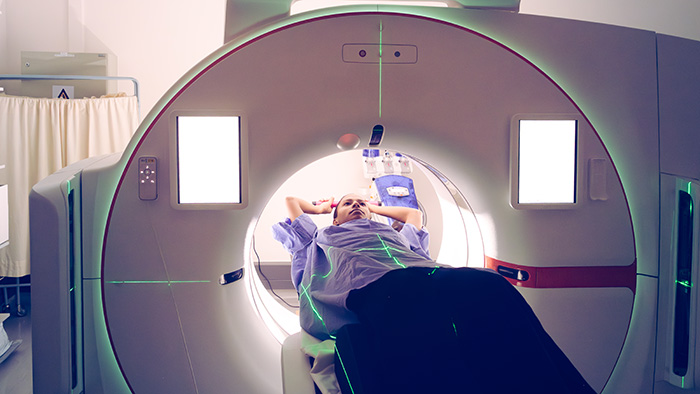
PET Scanner

Due to campus construction, PET/CT scans have temporarily moved to HSHS St. Joseph's Hospital in Highland, Illinois.

Southwestern Illinois communities have access to another level of advanced technology with a powerful diagnostic imaging system that supports the cancer care program at HSHS St. Elizabeth's Hospital in O'Fallon, Illinois.

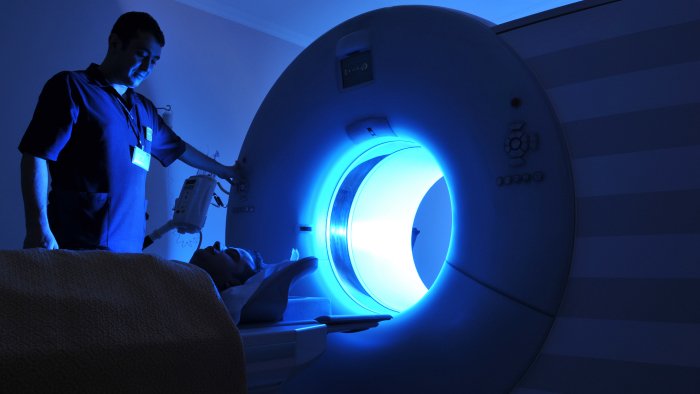
Our PET/CT service uses the Discovery STE unit from Shared Medical Services, combining 3D technology with a 16-slice scan for high-definition images

man inside of a PET scan machine

What is a PET/CT Scan?

PET/CT (Positron Emission Tomography/Computed Tomography Imaging) combines the functional information from a Positron Emission Tomography (PET) exam with anatomical information from a Computed Tomography (CT) exam in one exam.

How PET Works

PET detects changes in cellular function by showing how your cells use nutrients like sugar and oxygen. Because these changes occur before physical changes, PET enables early diagnosis.

How CT Works

The advantage of CT is its ability to take cross sectional images of your body. These are combined with the information from the PET scan to provide more anatomic details of the metabolic changes in your body.

Combined Advantage

The PET exam pinpoints metabolic activity in cells and the CT exam provides an anatomical reference. When these two scans are fused together, your physician can view metabolic changes in the proper anatomical context of your body.


Benefits

A PET/CT scan can be used to more accurately diagnose and locate cancers, stage disease progression and monitor treatment effectiveness, often with fewer scanning sessions than traditional imaging methods.

Frequently Asked Questions

A small amount of blood will be drawn to check your blood sugar level. Once your blood sugar is confirmed to be low enough for the procedure, you will be given an injection of the radioactive tracer, Fluorine-18 (FDG). After the FDG is administered, you will rest quietly for 45 minutes while the tracer circulates through your body’s tissues.

After the resting time, you will be taken into the facility to empty your bladder of any FDG that has collected while your were resting. You will then be taken to the Nuclear Medicine Technologist who will help you onto the imaging table where you will lie during the 20 to 30 minute scan.

The radioactive tracer, FDG, is injected into the bloodstream which distributes it throughout the body’s tissues. The cells then contain small amounts of radioactivity, which the PET scanner is able to detect and generate into an image of the body’s tissue metabolism.

This PET image is then analyzed for abnormalities that could indicate diseases. PET/CT combines this metabolic PET image with the anatomical image of a CT scan. This give physicians a very precise image of both the body’s tissue function and structure in order to provide more accurate diagnosis and treatment planning.

  • Do not eat or drink anything except water for six hours before your scan.
  • High-protein, low-carb meal guidance for the meal before the 6-hour fast.
  • No nicotine or chewing gum the day of the scan.
  • Drink plenty of water before the scan.
  • Avoid strenuous physical activity 24 hours before.
  • Wear warm, comfortable clothing that does not contain metal parts.
  • Take any medications as normal, with water.
  • Let your medical team know if you are diabetic, claustrophobic or pregnant.
  • Prepare to spend 1 ½ hours at the scan.
What to bring to the scan:
  • Photo ID
  • Insurance card
  • Physician referral/order
  • List of current medications
  • Any previous imaging (if from outside facility)
There are none – the quantity of radiation is very low, similar to a CT scan, lung, bone or heart scan. The radiopharmaceutical tracer is only in your body for a few hours and flushes out naturally.
You are free to resume your normal diet. You should drink additional fluids after the exam to help your body flush out all the radiopharmaceutical (FDG).

Your images will be reviewed by a board-certified radiologist and results will be sent to your referring provider. Your provider will then discuss the results with you and recommend next steps.

Schedule Your PET/CT Scan


PET/CT scans require an order from your physician. 

If your doctor has recommended a PET/CT scan, please call us at 217-757-6565 to schedule your appointment.